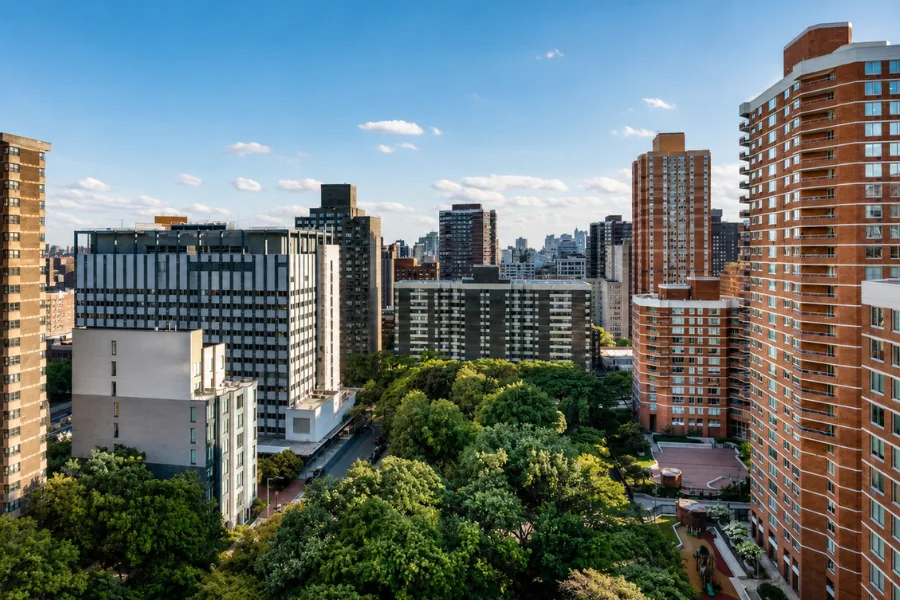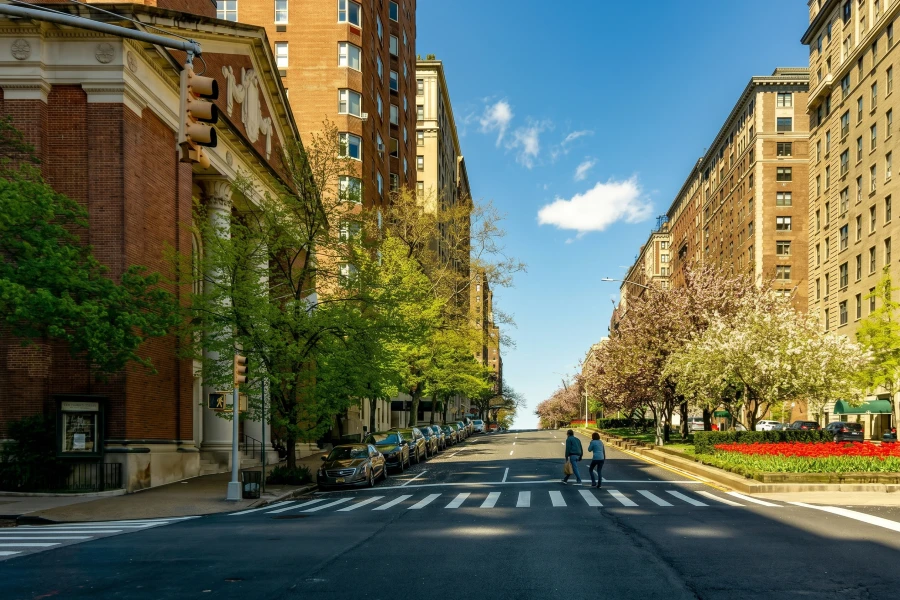

Kips Bay prices are up 29.6 percent year over year, seven new condo buildings have opened in five years, a 14-story tower just broke ground, and the neighborhood still trades below the Manhattan median per square foot. Kips Bay is in the middle of a real estate transformation that its pricing has not fully caught up to yet, and that gap is the most important thing buyers evaluating this neighborhood in 2026 need to understand. Seven new condo developments have opened here in the past five years. A major academic and research campus is under development on a full city block. New Empire Corp. just secured a $37.9 million assemblage for a 14-story condo tower, adding to the pipeline. The neighborhood that was long described as anonymous, lacking in distinction, a transitional address on the way to somewhere else, is becoming something categorically different. The buyers and sellers who understand that shift clearly are making better decisions than those who are still relying on Kips Bay’s old reputation.
The Numbers: Kips Bay Market Data in Early 2026

Kips Bay home prices as of January 2026 are up 29.6 percent year over year, with a median price of approximately $888,000 across all property types, according to Redfin market data. The average price per square foot in Kips Bay sits at approximately $1,826, compared to $1,982 for Manhattan overall, which means the neighborhood continues to offer a meaningful value relative to the borough median even as its absolute prices have risen substantially.
The condo and co-op markets tell two distinctly different stories. The median condo price in Kips Bay reached $1.3 million in late 2025, up over 50 percent year over year in some measurement periods, driven substantially by the premium pricing of new development product. The co-op median sits closer to $573,000 to $600,000, providing accessible entry-level ownership options that represent some of the most competitively priced pathways into Manhattan homeownership in the borough.
Homes are selling after a median of 82 days on market, up slightly from 62 days the prior year, which reflects a market where buyers are taking adequate time to evaluate the wide range of product available rather than competing under pressure. The 50 homes that closed in January 2026 represent healthy transaction volume for a neighborhood of Kips Bay’s scale.
The New Development Premium
The most significant data point in the Kips Bay market in 2026 is the new development premium. New condos in Kips Bay are trading at a 47.5 percent premium over resale condos in the neighborhood, compared to a 26.2 percent premium for new developments citywide. That is not a normal gap. It reflects a genuine and dramatic difference in the quality of new versus existing product in this neighborhood that is more pronounced here than almost anywhere else in Manhattan.
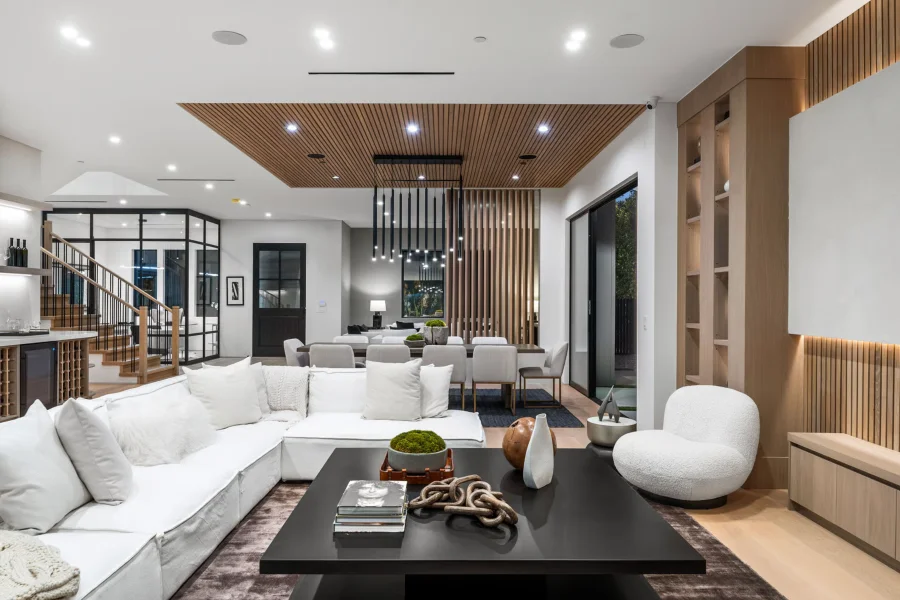
The reason for this gap is structural. The older inventory in Kips Bay, the postwar mid-rise and high-rise buildings that define much of the neighborhood’s existing housing stock, was not built to current standards of natural light, views, finishes, or amenities. The new buildings, which have used their zoning environment to their advantage by building within mixed-use corridors that allow taller structures while surrounding residential zoning limits neighboring buildings to 75 feet, have produced something qualitatively different at mid-height floors. Light and views at the 8th floor of a Kips Bay new development are simply not available at the 8th floor of a building in denser parts of Manhattan. This structural advantage is what commands the premium and it is not going away.
Buildings like Eastlight at 501 Third Avenue, a 143-unit building with corner floor-to-ceiling windows designed to maximize light even on lower floors, VU at 368 Third Avenue where a majority of units have views in multiple directions, and Hendrix House with its distinctive live-work positioning, represent a tier of product that is driving the new development premium. New Empire Corp.’s announcement of a new 14-story condo tower on the recently assembled $37.9 million site signals that the development pipeline is not slowing.
The SPARC Kips Bay Catalyst

The SPARC Kips Bay development deserves specific attention as a forward-looking indicator for the neighborhood’s real estate trajectory. The City Council-approved project is transforming the former Brookdale campus into modern academic and research buildings that will house three CUNY colleges and is expected to create approximately 1,500 jobs when complete. Institutional investment of this scale, a multi-block academic and research campus bringing both employment and student activity to the neighborhood, has historically been one of the most reliable predictors of residential appreciation in surrounding blocks.
Buyers who purchase in Kips Bay in 2026 are doing so ahead of this development’s full delivery rather than after the appreciation that typically follows it. That timing represents a specific and meaningful opportunity for buyers who understand what is coming. As such, monitoring kips bay real estate market trends will be crucial for potential investors. A surge in demand is anticipated as new amenities and infrastructure developments are completed in the coming years. Savvy buyers will benefit from understanding these trends to maximize their investment potential in this evolving neighborhood.
Co-op vs. Condo in Kips Bay

The gap between the co-op and condo markets in Kips Bay is wide enough to drive very different buyer decisions depending on priorities. The co-op market, with median pricing around $573,000 to $600,000, provides one of Manhattan’s most accessible entry points into ownership in a neighborhood that has strong transit access, a genuine and diverse amenity set, and a market trajectory that is pointing upward. Buyers who qualify for co-op purchase and are comfortable with the board approval process and the ownership restrictions that come with cooperative ownership have genuine opportunities here.
The condo market is split between the resale inventory, where pricing is more accessible and reflects older building stock, and the new development tier where pricing reflects the premium that the new buildings’ quality commands. Buyers who specifically want new development in a neighborhood where that product still offers value relative to comparable new construction elsewhere in Manhattan will find Kips Bay the most compelling option currently available.
What Sellers Should Know in 2026
Sellers in Kips Bay in 2026 are navigating a market with a meaningful pricing complexity that requires careful positioning. The new development premium is real and visible, and it has the potential to create inflated price expectations among resale sellers who compare their pricing to new development rather than to comparable resale product. The co-op and condo resale markets should be priced against genuine resale comparables, not against the new development tier that represents a fundamentally different product.That said, the neighborhood’s trajectory creates genuine tailwinds for sellers who position accurately. The 29.6 percent year-over-year price appreciation, the active new development story, and the SPARC campus development all support the narrative that Kips Bay is a neighborhood in ascent. Sellers who can communicate their specific building and unit’s strengths clearly and price against current closed comparables consistently achieve strong outcomes. Reach out us to discuss your specific situation.
Frequently Asked Questions
The average price per square foot in Kips Bay is approximately $1,826, compared to $1,982 for Manhattan overall. The median condo price reached approximately $1.3 million in late 2025. New development condos command a 47.5 percent premium over resale condos in the neighborhood, which means new construction product is substantially above the median while resale condos provide more accessible pricing. The overall median across all property types sits around $888,000 as of early 2026.
The investment case for Kips Bay in 2026 is among the strongest of any established Manhattan neighborhood. Seven new condo developments in five years have raised the quality ceiling and supported substantial price appreciation. The SPARC Kips Bay academic and research campus development represents institutional investment that historically supports appreciation in surrounding residential markets. Median prices are up 29.6 percent year over year. New development commands a 47.5 percent premium over resale, reflecting genuine quality improvement. And prices remain below the Manhattan median on a per-square-foot basis, suggesting continued room for appreciation as the neighborhood’s improvements are more fully reflected in pricing.
In most Manhattan neighborhoods, the choice between new development and resale involves a modest premium for new product reflecting contemporary finishes and systems. In Kips Bay, the gap is dramatically wider: new condos trade at a 47.5 percent premium over resale condos, compared to 26 percent citywide. This reflects the genuine quality difference between the new construction’s floor-to-ceiling windows, contemporary amenity packages, and the structural advantage of their zoning positions, and the older postwar inventory that defines most of the resale stock. Buyers choosing between new and resale in Kips Bay are making a more consequential product choice than in most other neighborhoods.
The most recognized addresses in FiDi include One Wall Street for its landmark Art Deco architecture and preserved historic amenity spaces, 15 Broad Street for the Philippe Starck design and building prestige, 99 John Street for its Art Deco character and loft-style residences, and 125 Greenwich Street for dramatic views from its 88-story Rafael Vinoly-designed tower. Building selection in FiDi should account for specific factors including active tax abatement status, reserve fund health, common charge levels, and management quality, which vary significantly across the neighborhood’s inventory.
SPARC Kips Bay is a major academic and research campus development approved by the New York City Council, transforming the former Brookdale campus between 25th and 26th Streets into modern buildings housing three CUNY colleges. The project is expected to create approximately 1,500 jobs when complete. Institutional investments of this scale, bringing employment, student activity, and academic energy to a neighborhood, have historically been reliable indicators of residential appreciation in surrounding blocks. Buyers entering Kips Bay in 2026 are purchasing ahead of this development’s full delivery rather than after the appreciation it is expected to support.